
The Complete Guide to Kitchen Faucets: Types, Purchasing and Maintenance Tips
The Complete Guide to Kitchen Faucets: Types, Purchasing and Maintenance Tips
This comprehensive guide to kitchen faucets has been compiled by the expert team at Ningbo Runner Sanitary Ware, who bring over 25 years of experience in manufacturing and testing. The guide covers the definition of kitchen faucets, common types, tips and steps for selecting the right model, routine maintenance, and answers to frequently asked questions. Benefit from data-backed, professional advice to help you easily choose or maintain the perfect kitchen faucet.
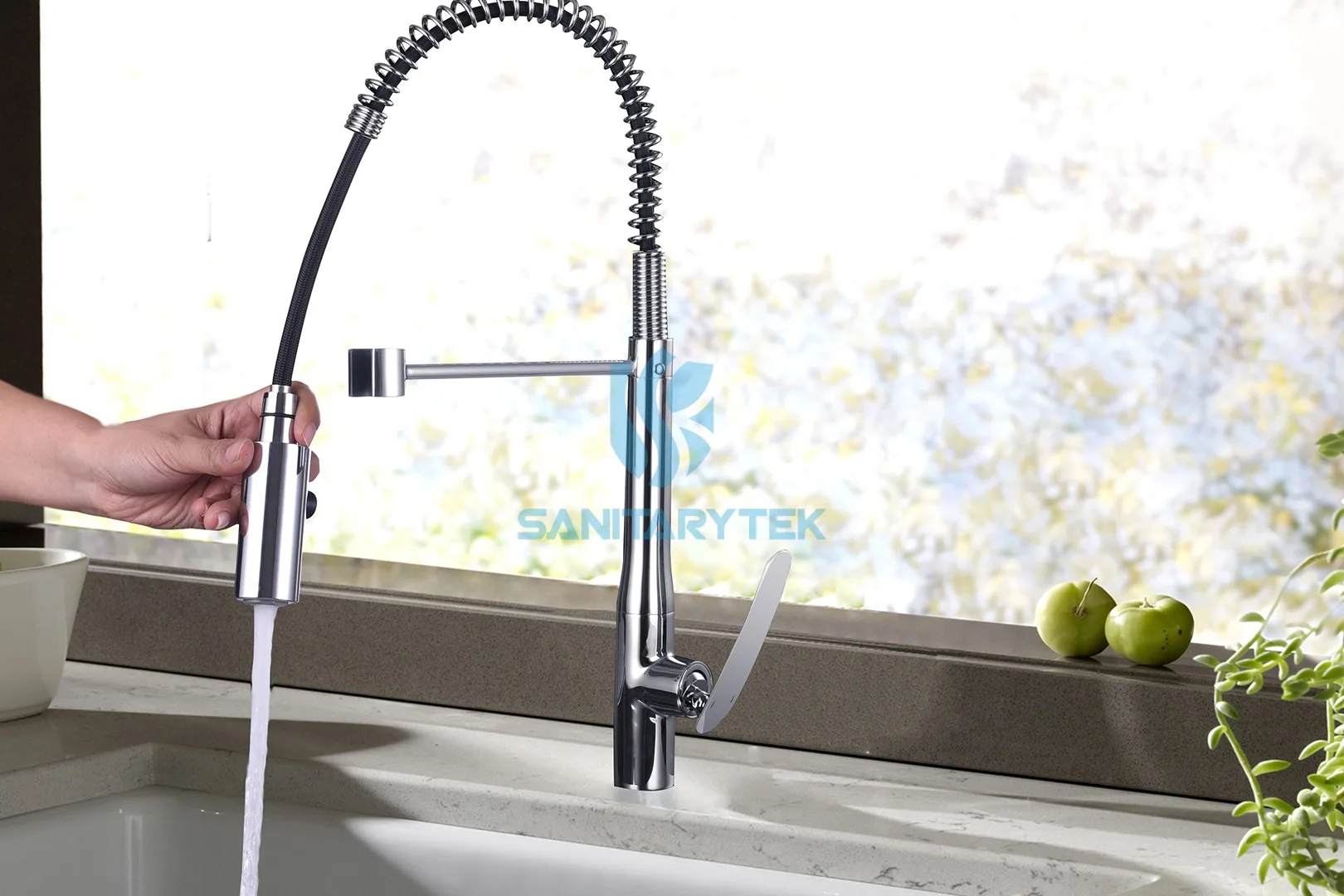
1. What is a Kitchen Faucet
A kitchen faucet is a controllable plumbing fixture installed on a kitchen sink, designed to provide water for cooking, cleaning, and washing. As one of the most frequently used fixtures in a home, a high-quality kitchen faucet must balance functionality, durability, water efficiency, and aesthetics to meet the demands of a modern kitchen.Q: What core features should an excellent kitchen faucet have?
Over the past 17 years, our team has tested hundreds of kitchen faucet designs for clients worldwide. We have found that a well-designed kitchen faucet must offer smooth water flow control, convenient temperature adjustment, reliable leak-proof sealing, and ease of cleaning and maintenance. While basic models can handle everyday needs, high-end versions may include features such as pull-out spray heads, touchless (sensor-activated) operation, or integrated detergent dispensers. It is widely recognized in the industry that, by 2026, water efficiency has become an essential requirement for modern kitchen faucets—a critical factor as more regions implement stringent water conservation regulations.
Q: Which type of kitchen faucet is the most popular?
According to sales data from Ningbo Runner Sanitary for 2026, pull-out kitchen faucets account for 60% of global residential orders. These are followed by sensor-operated (touchless) faucets; driven by an increasing focus on hygiene, order volume for this category has grown by 15% year-on-year. Based on our actual order data, sensor-operated faucets are particularly popular in new kitchen projects across North America and Western Europe.
2. Step-by-Step Selection Guide
To identify the correct hardware configuration for a residential or commercial kitchen upgrade, assess options across four main criteria:A. Match the Hole Configuration
Measure your sink’s mounting hole count and diameter to confirm it matches the faucet’s mounting requirements, to avoid unnecessary modifications.
B. Evaluate Internal Valve Durability
The internal mechanism dictates the operational life of the tap. Look for units featuring 35 mm ceramic disc cartridges (standard across premium lines like the M116 series). Ceramic discs resist friction, withstand mineral buildup from hard water, and prevent the leaks common to older compression-style rubber washers.
C. Choose the Right Base Material and Finish
Kitchen hardware endures high humidity and chemical exposure.
• Material: Prioritize solid brass constructions or 304 stainless steel. These materials naturally resist corrosion and handle thermal expansion without cracking.
• Finish: Select a surface treated for high-frequency cleaning. Polished chrome provides a brilliant, easy-to-wipe shine, while matte black offers a contemporary aesthetic that naturally hides oily fingerprints and smudges.
3. Simple Maintenance Tips to Extend the Lifespan of Your Kitchen Faucet
Even the highest-quality kitchen faucets require regular maintenance to prevent leaks and the buildup of limescale.Q: How can I remove limescale from a kitchen faucet?
Based on years of product testing, we have found that the simplest, non-abrasive cleaning method is as follows: soak a clean cloth in white vinegar and wrap it around the faucet’s aerator and spout. Leave it for 30 to 60 minutes to allow the calcium carbonate to dissolve, then wipe the area clean with a soft sponge and dry it thoroughly. This approach effectively removes limescale without scratching the faucet’s surface, keeping it in pristine condition. Please avoid using harsh, abrasive cleaners, as these can damage the faucet’s protective coating and lead to premature wear. For regular maintenance, we recommend cleaning the kitchen faucet aerator every three months to ensure a consistent, smooth water flow.
Why Source Kitchen Faucets from Ningbo Runner Sanitary Ware
As a professional manufacturer of kitchen faucets based in Ningbo, China, we possess over 25 years of export experience, with products sold to more than 30 countries. We have earned a strong reputation for our exceptional quality and transparent business philosophy. Every kitchen faucet undergoes rigorous testing—before leaving the factory.This text was generated by artificial intelligence and is provided for reference only.
